

Top China Manufacturer of EV Charging Connectors for Optimal Performance
As a dedicated supplier of EV charging connectors, I understand the importance of quality and reliability in today’s rapidly evolving electric vehicle market. Sourced directly from reputable manufacturers in China, our connectors are designed to meet the highest industry standards. Whether you’re a dealership or an electric vehicle manufacturer, investing in our connectors ensures that your charging solutions are both efficient and durable. Choosing the right EV charging connectors is crucial for any business looking to stay ahead. Our connectors are tested for compatibility and performance across various vehicle types, making them an ideal choice for diverse applications. With a variety of options available, I’m here to help you find exactly what you need to support your charging infrastructure. Let’s connect and discuss how our high-quality EV charging connectors can enhance your projects while aligning with your business goals and budget. Quality and innovation are at the core of what I offer, ensuring you make a smart investment in your future.



Ev Charging Connectors in 2025 Sets the Industry Standard
As the electric vehicle (EV) market continues to expand at an unprecedented pace, the standardization of EV charging connectors is set to be a game changer by 2025. With more automakers committing to electric mobility and the proliferation of charging stations worldwide, the adaptation of universal charging connectors will significantly enhance the user experience for EV owners. The push for a unified approach stems from the necessity to reduce range anxiety and streamline the charging process for consumers, making EVs a more attractive option for a broader audience. Additionally, standardizing charging connectors simplifies the supply chain for manufacturers and suppliers, optimizing production and fostering innovation. By adopting common specifications, businesses can ensure compatibility across various models and brands, ultimately enhancing operational efficiency. This shift not only benefits manufacturers but also encourages the rapid rollout of charging infrastructure, making it easier for consumers to find and utilize charging stations. Looking towards 2025, stakeholders in the EV charging ecosystem must focus on collaboration to define and adopt these standards. Global partnerships will play a crucial role in ensuring that the transition is seamless and beneficial for all participants, from vehicle manufacturers to end-users. Embracing this pivotal change will not only position companies as leaders in the EV space but also contribute to a sustainable future that encompasses clean energy and reduced carbon footprints.
Ev Charging Connectors in 2025 Sets the Industry Standard
| Connector Type | Charging Power (kW) | Compatibility | Standardization Body | Deployment Regions |
|---|---|---|---|---|
| Type 1 (SAE J1772) | 1-7 | North America | SAE | USA, Canada |
| Type 2 (Mennekes) | 1-22 | European Models | IEC | Europe |
| CCS (Combined Charging System) | 3-350 | Global | CharIN | Worldwide |
| CHAdeMO | 10-100 | Japanese Models | CHAdeMO Association | Japan, USA, Europe |
| GB/T | 3-240 | China | Standardization Administration of China | China |
Related Products



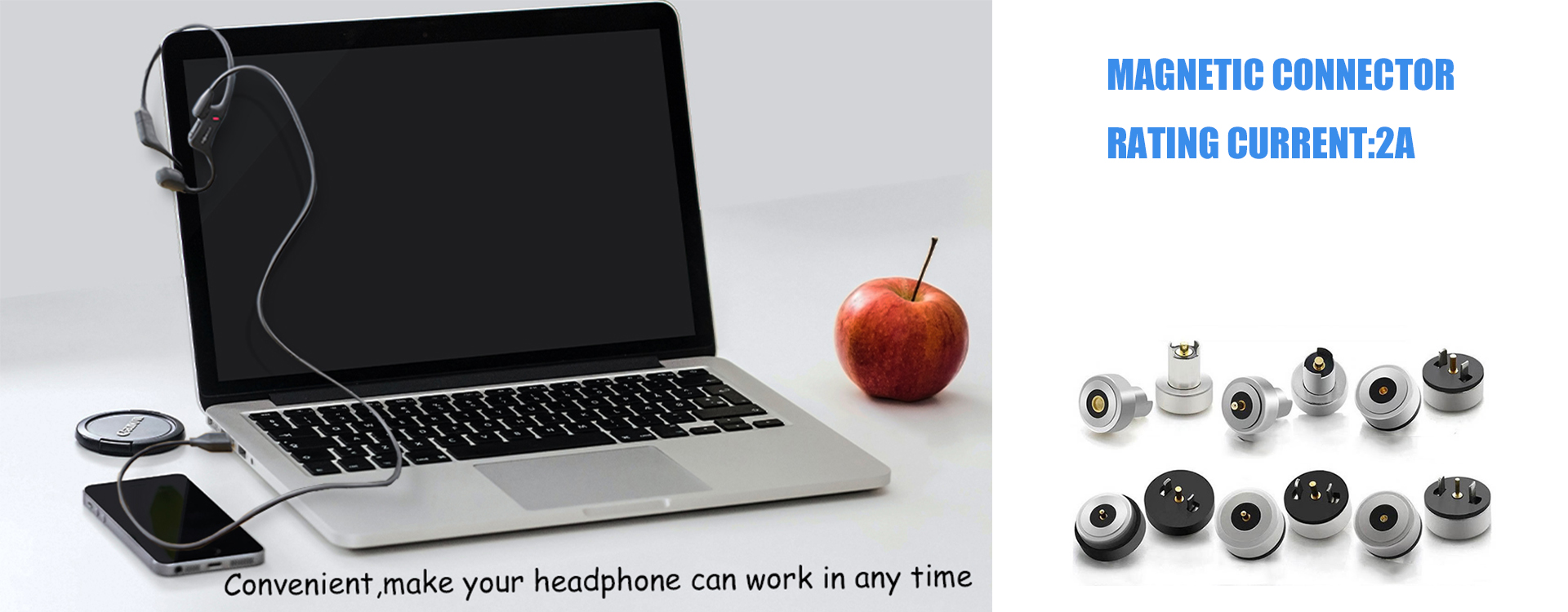
Ev Charging Connectors Delivers Unmatched Quality Where Service Meets Innovation
Top Selling Products


- Related Blog
- Reviews
- Reviews
