
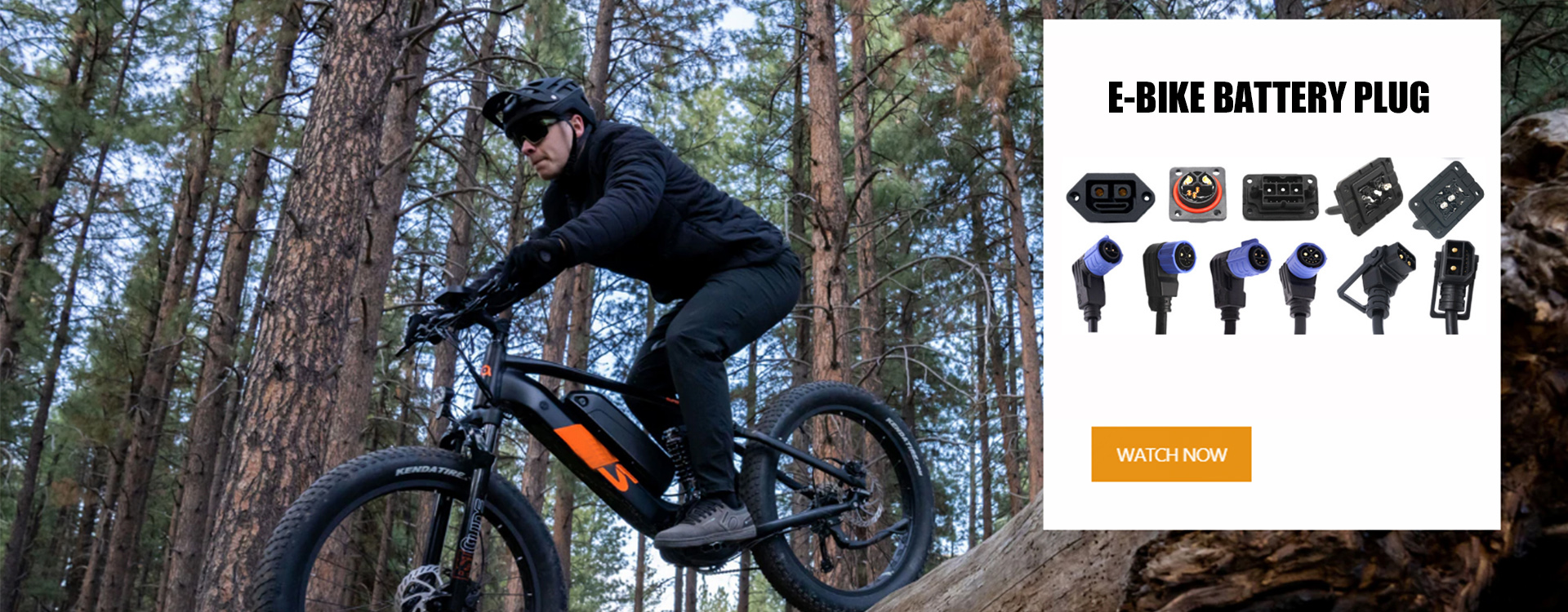
Types of EV Charging Connectors from Leading Manufacturers in China
When it comes to choosing the right electric vehicle (EV) charging connectors, I understand the importance of quality and reliability, especially for B2B applications. Our product line includes various types of EV charging connectors to cater to all your needs, ensuring compatibility with a wide range of EV models. As a manufacturer based in China, we pride ourselves on producing high-quality connectors that meet international standards. Whether you're looking for Type 1, Type 2, or even CHAdeMO connectors, I’m confident we have the right solution for your business. By partnering with us, you can ensure that your charging stations operate efficiently and safely, offering your customers the best possible experience. We focus on durability and performance, allowing you to integrate our connectors seamlessly into your projects. Let’s enhance your EV charging solutions together and drive the future of electric mobility.
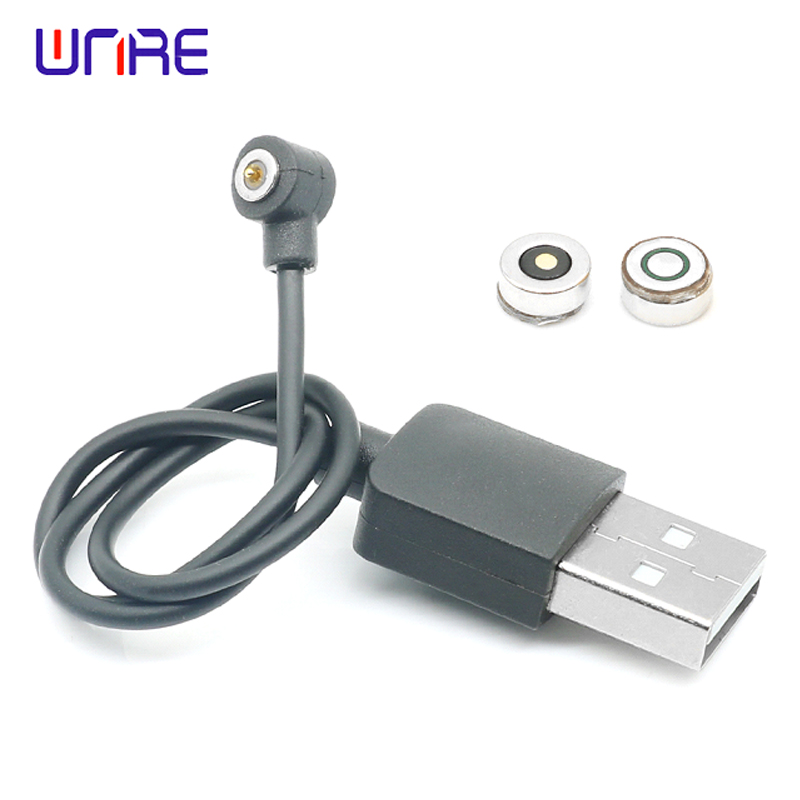



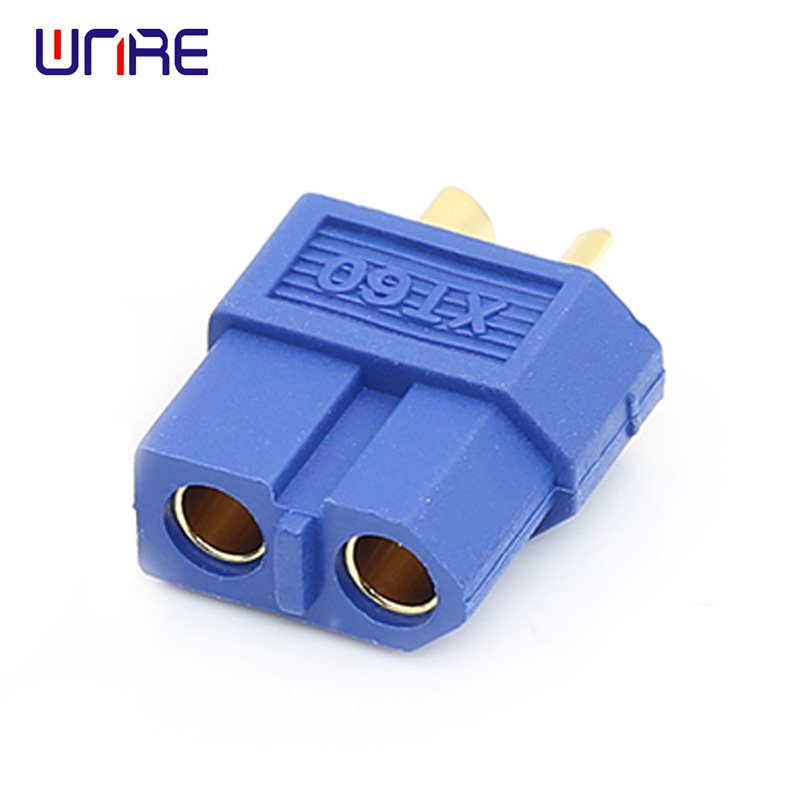
Types Of Ev Charging Connectors Ahead of the Curve Outperforms the Competition
Electric vehicles (EVs) are revolutionizing the automotive industry, and with this transformation comes the necessity for efficient and versatile charging solutions. As the adoption of EVs accelerates globally, understanding the various types of EV charging connectors is crucial for businesses looking to stay competitive in this rapidly evolving market. This article explores the diverse types of EV charging connectors currently available and highlights their significance in meeting the needs of different vehicle manufacturers and consumers. There are several types of EV charging connectors, the most common being Type 1, Type 2, CCS (Combined Charging System), CHAdeMO, and Tesla’s proprietary connector. Type 1 is primarily used in North America and Japan, while Type 2 is favored in Europe, offering three-phase charging capabilities. The CCS is an advanced solution that combines AC and DC charging into a single connector, enabling faster recharge times and widespread compatibility. CHAdeMO, popular in Japan and parts of Europe, allows for rapid charging but has seen a decline in popularity as CCS gains traction. Tesla’s connector remains exclusive to its ecosystem, highlighting the importance of compatibility and consumer preference in connector design. As businesses invest in EV infrastructure, choosing the right charging connector is essential to ensure a seamless experience for EV users. Understanding the nuances of each type can provide a competitive edge in the global marketplace, positioning companies to meet the varying demands of customers as the EV market continues to expand. By staying informed on charging technologies and aligning with industry standards, businesses can not only enhance their product offerings but also contribute to a more sustainable future in transportation.
Types Of EV Charging Connectors Ahead of the Curve Outperform the Competition
| Connector Type | Charging Standard | Max Power (kW) | Cable Length (m) | Common Usage |
|---|---|---|---|---|
| Type 1 | SAE J1772 | 7.2 | 5 | Home Charging |
| Type 2 | IEC 62196 | 22 | 7.5 | Public Charging |
| CCS 1 | Combined Charging System | 150 | 3.5 | Fast Charging |
| CCS 2 | Combined Charging System | 350 | 5 | Ultra Fast Charging |
| CHAdeMO | CHAdeMO 1.2 | 62.5 | 6 | Quick Charging |
Related Products




Types Of Ev Charging Connectors Products Trusted by Pros
Top Selling Products



- Related Blog
- Reviews
- Reviews
